Make Healthier Choices is a WordPress website using Genesis Framework and Daily Dish Child theme. To see more information about my theme click here: Daily Dish Pro Theme
To see Studio Press’ newest theme, Simply Pro, click below:

Helping people Make Healthier Choices about real-food choices for optimal heath.
Make Healthier Choices is a WordPress website using Genesis Framework and Daily Dish Child theme. To see more information about my theme click here: Daily Dish Pro Theme
To see Studio Press’ newest theme, Simply Pro, click below:
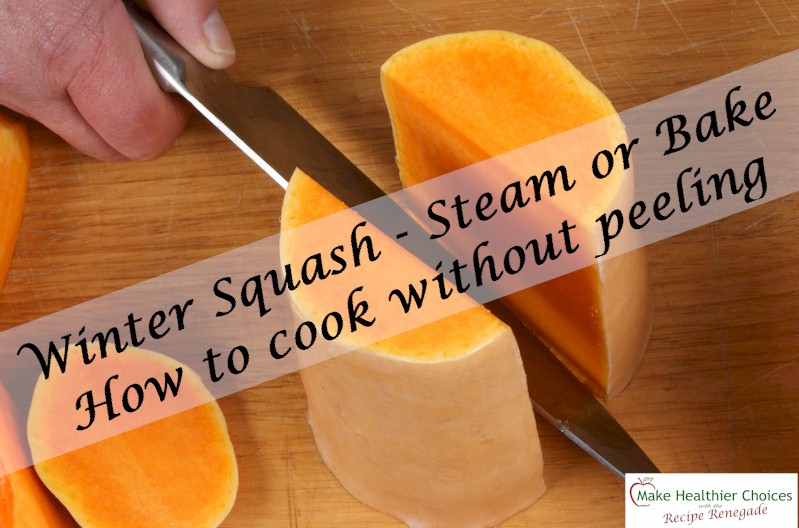
I can’t count how many times peeled winter squash before cooking. It seems once I invested in an expensive, sharp vegetable peeler, I then realized peeling wasn’t necessary. Go figure. I like to cook several at a time and freeze in vacuum-seal bags. I make my own bags by using these rolls:
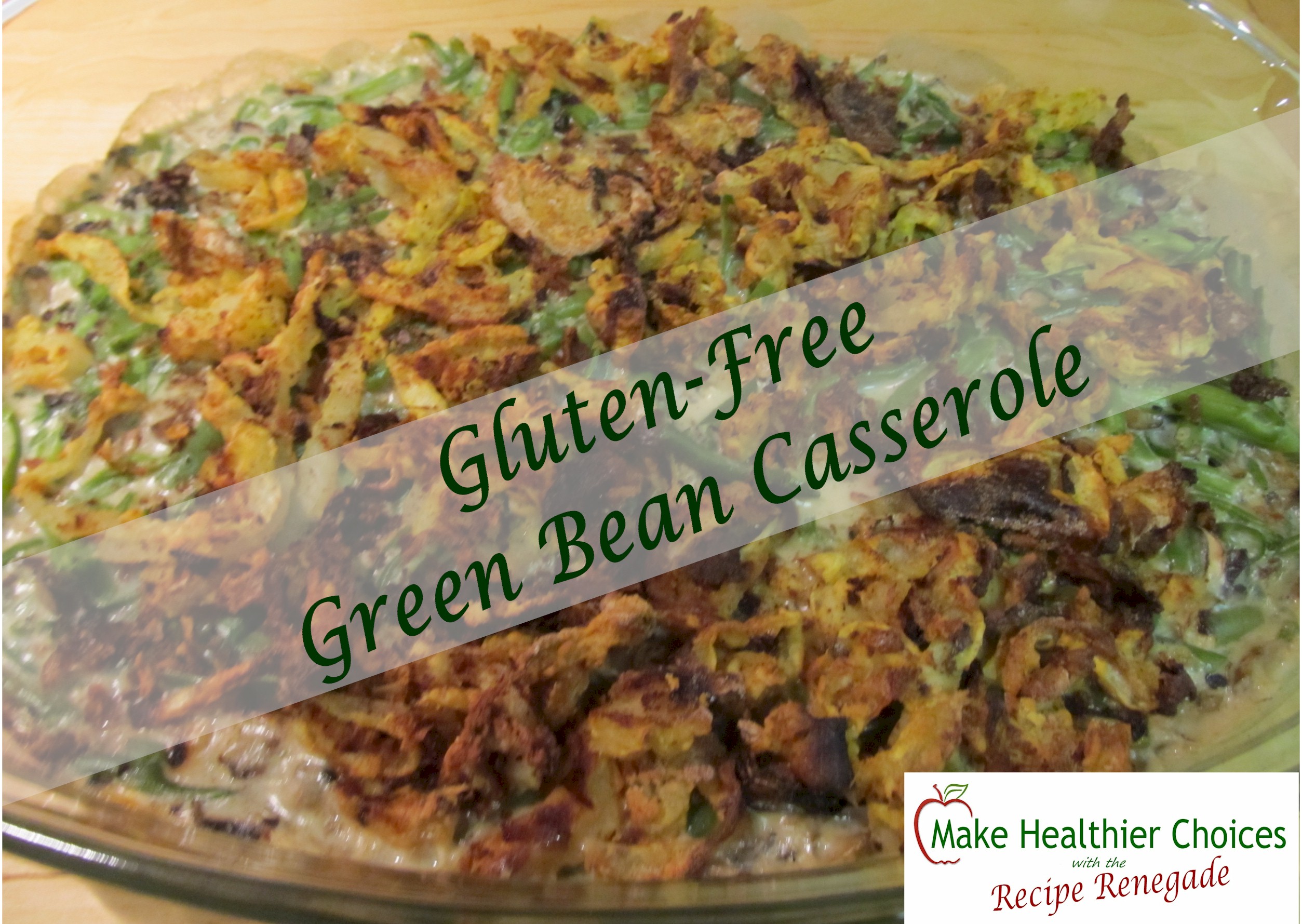
This is a great, healthy replacement for traditional green bean casserole that contains unknown or scary ingredients like monosodium glutamate (MSG). AND it’s not only gluten free, it’s delicious! The instructions look long, but it’s easy to make. (Scroll down for do-ahead tip and substitutions if you aren’t worried about gluten-free.) As always, if making the gluten-free version, make certain all ingredients are, in fact, gluten free.
This recipe cooks up fast – your sauce should be finished before onion rings are done baking. Be sure to gather your ingredients before starting. Scroll down for video.
Substitutions: FOR CASSEROLE THAT IS NOT GLUTEN-FREE – 2 tablespoons all-purpose flour can be substituted for the arrowroot powder in the soup and 1/4 to 1/2 cup all-purpose flour can be substituted for the Pamela’s Baking and Pancake Mix for the onion rings. (Honestly, I think the onion rings are crispier and taste MUCH better using the Pamela’s Baking and Pancake Mix.)
Whole milk can be substituted for the milk and cream.
There is a disturbing photo, similar to the one below (except there’s no additional bowl in the sink), I’ve seen numerous times being circulated on social media. It promotes washing fruits and vegetables in the kitchen sink with vinegar. I personally find it disturbing — for two reasons:
1. Sink traps – Under all properly installed sinks is a trap. The trap’s purpose is to hold water in the u-shaped area thereby sealing off methane gasses that would otherwise find their way back into our homes. This drain is not only attached to the same pipe that toilets flush into, it makes a great breeding ground for bacteria — bacteria that can potentially find its way back up into the sink. The only way I know to be certain of no bacteria in the trap, is to disinfect it with bleach. Those of us with septic systems usually avoid bleach like the plague. Even then, I’m not so sure I would trust it to be completely germ-free.
I think a better choice for washing fruits and vegetables, is to use a large bowl in the sink or dedicate a dishpan solely for washing fruits and vegetables.
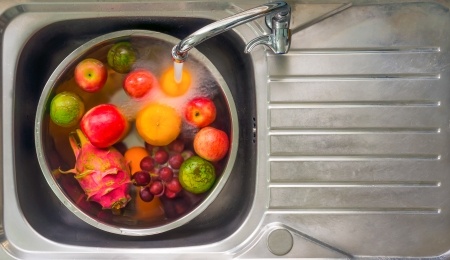
Image credit: joey333 / 123RF Stock Photo
2. White vinegar – sure white vinegar wasn’t invented to be eaten, it was invented to be used as a cleaning disinfectant, but I’m not sure it’s suitable for disinfecting food. As far as I know, it is made from Genetically modified (GMO) corn that no longer needs to be sprayed with pesticides. BT Corn that is regulated by the Environmental Protection Agency because it was engineered to have insecticide on the INSIDE. Is vinegar a good choice for washing fruits and vegetables? I don’t think so for a couple reasons. I don’t think it makes sense to buy organic, GMO-free foods and wash them with made-from-GMO-grain white vinegar. I do purchase white vinegar for cleaning my coffee pot, setting colors into dark clothes, and sometimes use it to clean my refrigerator. Every time I use it, however, it doesn’t feel right–I feel I’m promoting GMOs. The more often we buy GMOs, the more often they’re manufactured and the bigger the risk of non-GMO foods becoming contaminated.
My favorite fruit/vegetable wash is making my own with soap and Améo essential oils. If you don’t want to make your own, I used Veggie Wash for years and have used Tropical Traditions’ All-Purpose Everyday Cleaner and diluted it roughly 50 to 1.

I think most of us realize that pesticides are systemically consumed by the fruit and vegetables, thereby making it impossible to wash them off. I have no idea if the chemicals, that are sprayed on after harvest to keep them fresh, can be washed off. I’ve been able to finally switch most of my fruits and vegetables to organic. Wouldn’t it be great if everyone switched to organic? Wouldn’t we then only see organic in our supermarkets?
I think it’s useless to wash fruits and vegetables with the intent of removing pesticides. I do think it’s imperative to wash them, if I don’t know and trust my local farmer, to hopefully remove bacteria — listeria, e. coli, etc. Bacteria from CAFOs (Concentrated Animal Feeding Operations, also known as farm factories) is known to run into fields of fruits and veggies – organic or not. If the CAFO is located ‘upstream’ of a field of spinach (or any fruit or vegetable that grows on the ground), it’s almost guaranteed to be contaminated with bacteria.
I also wonder: How many people handled my fruits/vegetables? How many did not wash their hands after using the bathroom? How many sick people handled my fruits/vegetables? I never want to say, “my family member/friend wouldn’t have been so sick (or worse) if I’d washed my vegetables.”
Can I guarantee using a veggie wash or a few drops of essential oil with a few drops of soap will properly disinfect the bacteria from my food? Probably not. I will, however, sleep better at night knowing I at least tried.
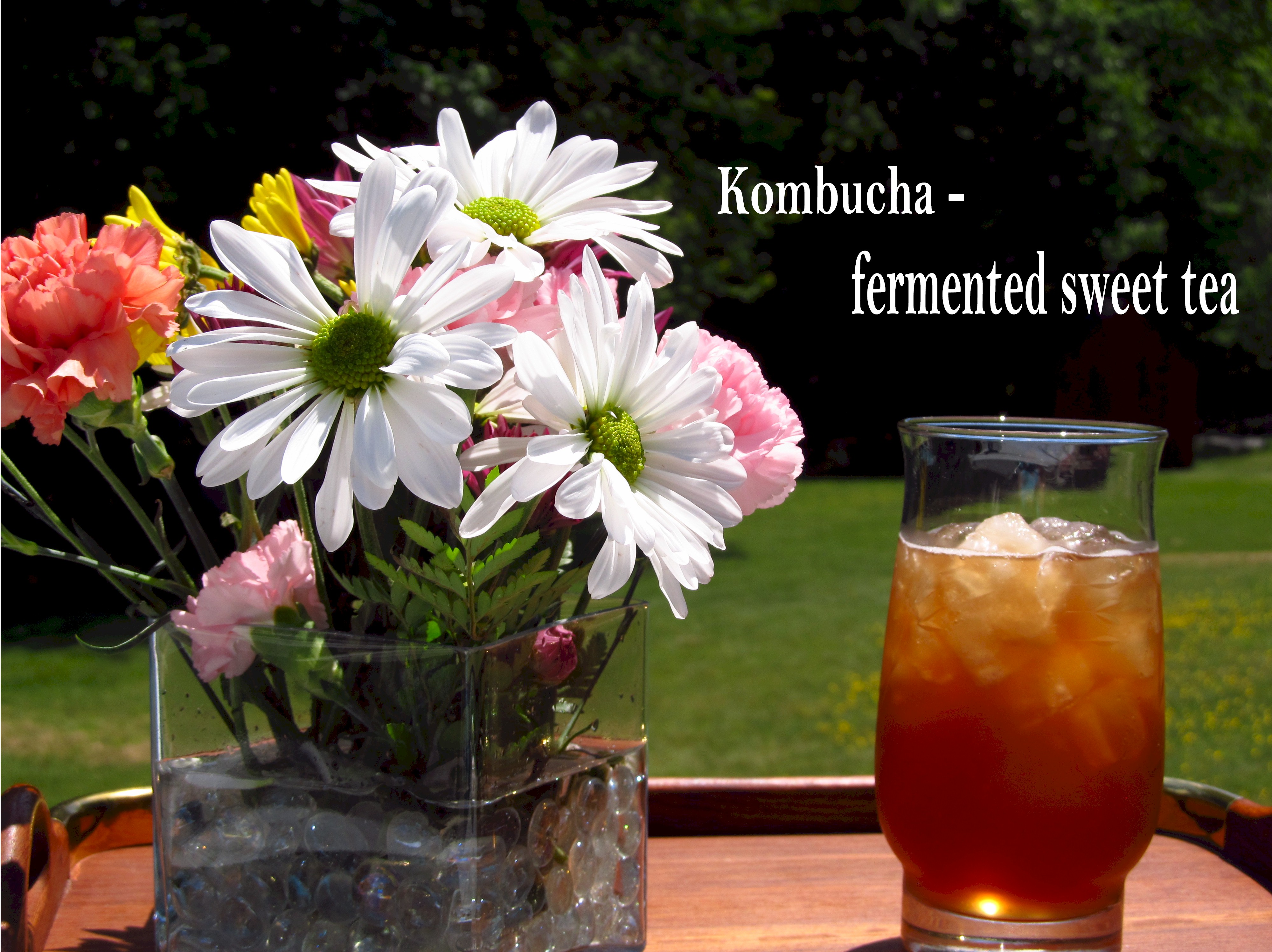
Sometimes it’s hard to differentiate between fact and fiction on the Internet. Especially when it comes to Kombucha. Kombucha myths are easy to find.
A properly fermented, home-made Kombucha will have little to no sugar. I don’t like to ferment mine so long that there’s no sugar left. At some point I’ll purchase a test kit to know how much sugar is in my kombucha. Be careful of commercial brands that add sugar after fermenting. If you can’t stand the taste of no-sugar-added Kombucha, it’s not a bad idea to start out with one with sugar added to get used to drinking it. You can always graduate slowly to one without the sugar. Not everyone will want to drink something as tart as Kombucha.
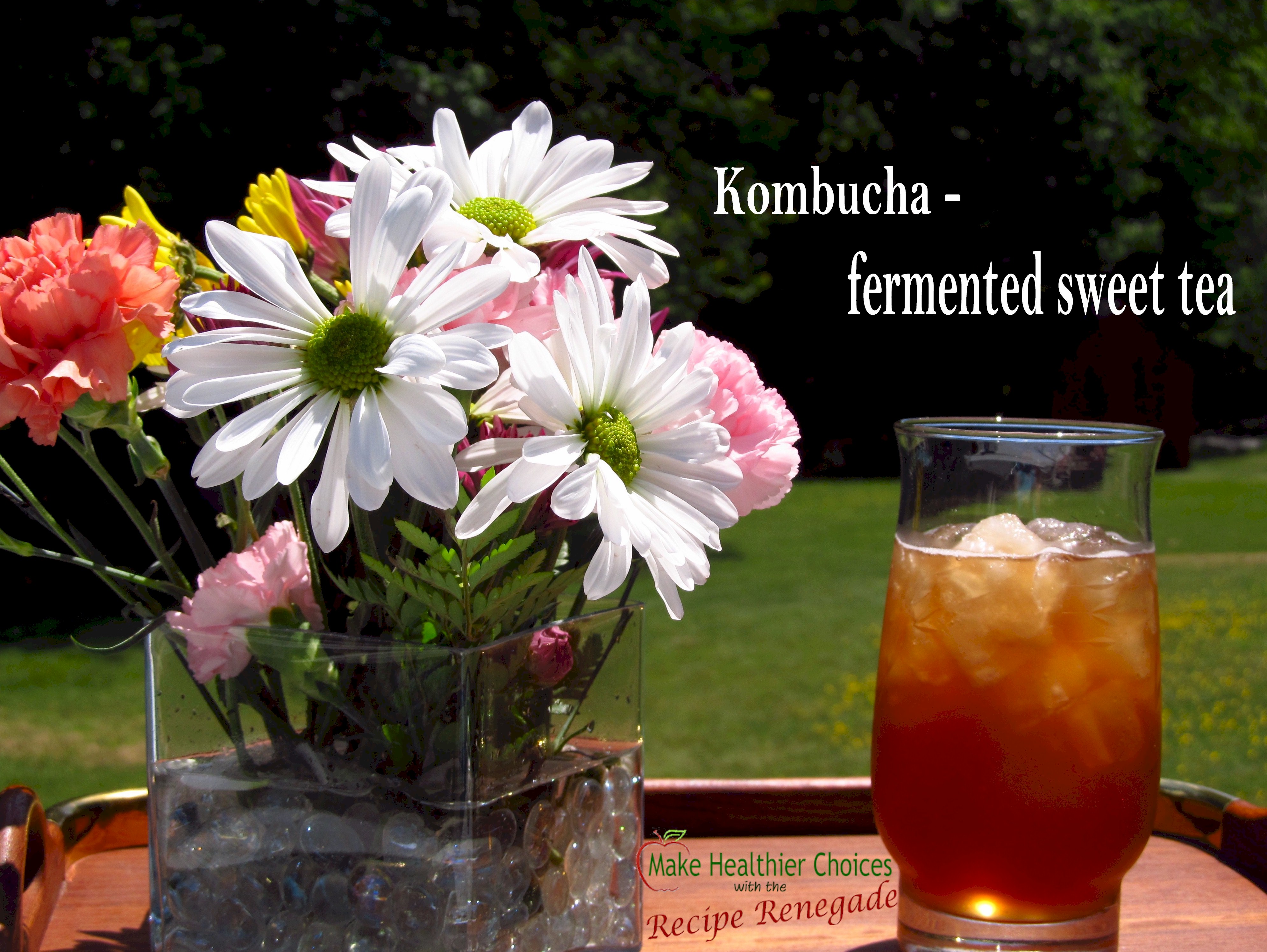
Probiotics are live organisms, such as yeasts and bacteria, that promote life. “Pro” means “for” and “biotic” means “life,” so probiotic means “for life.” Kombucha can’t be made without a SCOBY, which stands for Symbiotic Colony of Bacteria and Yeast. A SCOBY is also known as a “mother,” “mushroom,” or “pancake.” To see if your store-bought Kombucha contains live cultures, try to grow your own SCOBY by putting some in a glass and leaving it on your counter for a week or so. You’ll see a film start to grow if it is alive. Populating our guts with good yeasts and good bacteria promotes life.
Cultures for Health is one of my favorite places to buy fermenting supplies. You can find them HERE. Check out their article that puts some Kombucha myths to rest: Busting Kombucha Myths.